
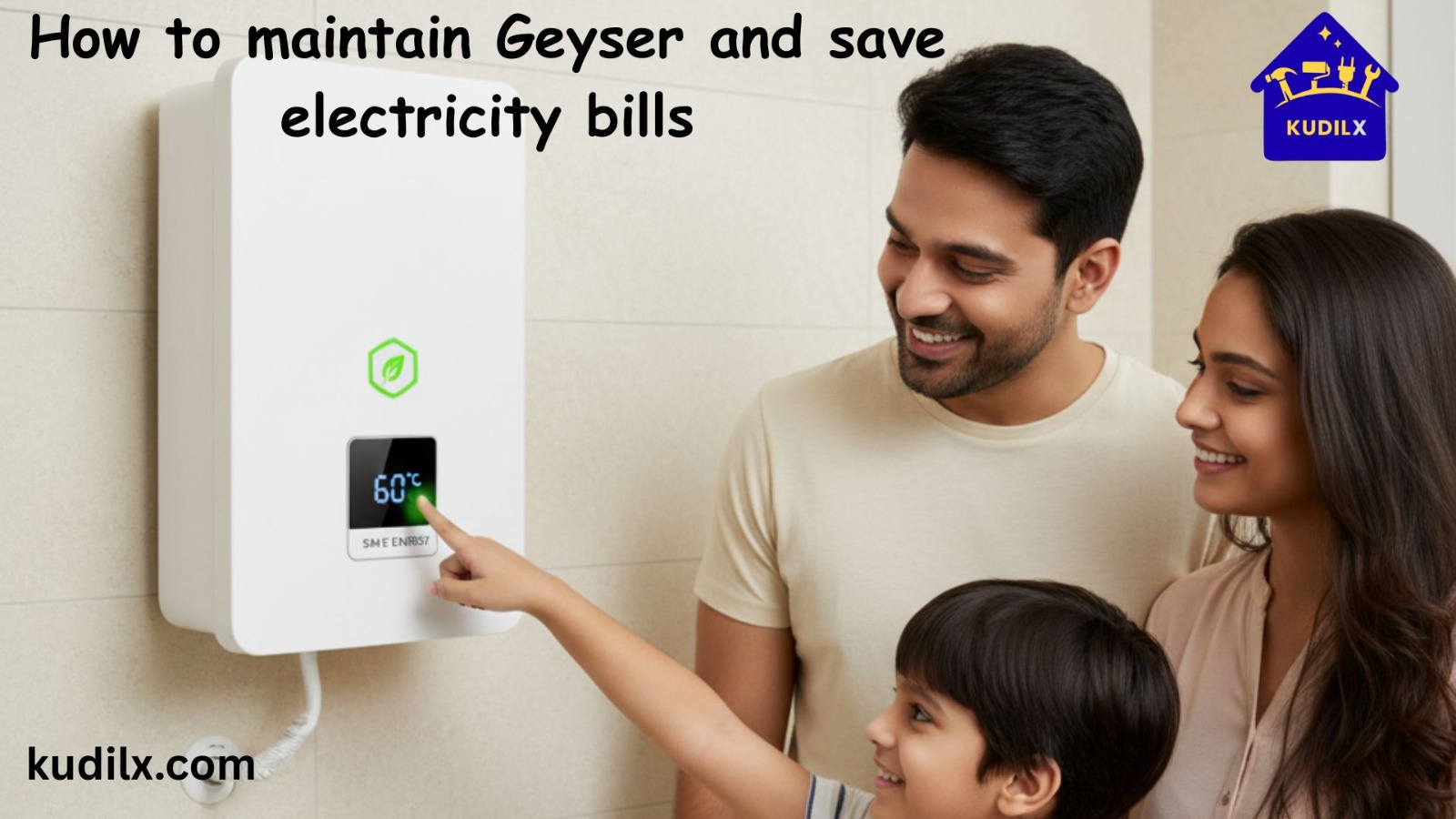
Geysers are an essential part of every home, especially during colder months. Knowing how to maintain your geyser properly not only ensures a steady supply of hot water but also helps lower electricity bills. Many households ignore small maintenance tasks, which can lead to higher energy costs, frequent repairs, and a shorter lifespan for the appliance. With a few simple habits and regular checks, you can enjoy hot water while saving energy and money.
Why geyser maintenance is important
A well-maintained geyser runs efficiently and safely. Neglecting it can increase electricity consumption, cause water leaks, and damage the heating element. By following a few practical steps, homeowners can improve performance, avoid unexpected repairs, and ensure safety. Regular upkeep also extends the life of your geyser, making it a cost-effective investment.
Key tips on how to maintain your geyser
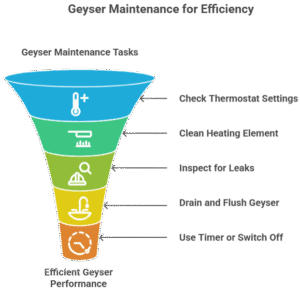
Check the thermostat settings
Keep the thermostat around 60°C. Higher temperatures use more electricity and may overwork the geyser. A stable temperature ensures efficient energy use.
Clean the heating element
Over time, mineral deposits can build up on the heating element. Cleaning it regularly helps the geyser heat water faster and reduces electricity usage.
Inspect for leaks
Even small leaks waste water and energy. Check the geyser tank, valves, and pipe connections every month to prevent issues.
Drain and flush the geyser
Sediment buildup can slow down heating. Flushing the geyser every 6–12 months removes deposits and ensures proper performance.
Use a timer or switch off when not in use
Running the geyser continuously wastes electricity. Using a timer or turning it off when not needed saves power and prolongs the appliance’s life.
How to maintain your geyser for energy efficiency
Using your geyser smartly is as important as cleaning it. Avoid frequent temperature changes and switch it on only when needed. Insulating exposed pipes prevents heat loss and reduces electricity bills. Small changes in usage can make a big difference over time.
Additional maintenance tips
- Insulate the geyser and pipes
Proper insulation keeps water hot longer without extra energy. Foam pipe covers or insulation jackets are easy to install and effective.
- Schedule professional checkups
Hiring a certified technician once a year ensures hidden problems are caught early. Professionals can inspect the heating element, thermostat, and valves, keeping your geyser in top condition.
- Avoid frequent switching on and off
Turning the geyser on and off multiple times a day uses more energy. Plan hot water usage efficiently to save electricity.
- Monitor water pressure
High water pressure can damage the geyser and reduce efficiency. Installing a pressure-reducing valve helps maintain the right flow and extends the appliance’s life.
Benefits of proper geyser maintenance
- Reduced Electricity Bills : Efficient operation lowers energy use.
- Extended Appliance Lifespan : Regular maintenance prevents early wear and tear.

- Consistent Hot Water Supply : Avoid unexpected cold showers due to breakdowns.
- Lower Repair Costs : Early detection prevents expensive fixes.
- Enhanced Safety : Well-maintained geysers reduce the risk of leaks or electrical hazards.
Maintaining your geyser doesn’t require complicated tools or effort. A few monthly checks, simple cleaning, and mindful usage go a long way. By following these steps, you can save money, enjoy consistent hot water, and increase your geyser’s reliability.
Keep your geyser efficient with Kudilx
Learning how to maintain your geyser is a small effort that brings big rewards. Simple habits like cleaning the heating element, checking for leaks, regulating thermostat settings, and using energy wisely can make your geyser last longer and reduce electricity bills. Start these tips today with Kudilx and enjoy a safe, efficient, and worry-free hot water supply at home.